The Best Robot Mowers of 2026
Updated on: August 15, 2026
We've Independently Compared 45+ Robotic Mowers
Welcome to Yard Trails' definitive guide to finding the best robotic mower for your yard. We purchase every unit ourselves, so each recommendation is backed by real spec analysis and hands-on evaluation — not manufacturer talking points. Our database now spans more than 45 models across 11 brands, giving us the deepest benchmark for judging cutting performance, navigation, battery life, slope capability, and value.
Each mower below is evaluated against every other unit we track, using a consistent Yard Trails methodology for an apples-to-apples comparison. Whether you need a hill-climbing AWD machine, a budget-friendly option for a small yard, or a flagship with LiDAR navigation and 4G connectivity, this list highlights the standouts of 2026.
Rankings shift as new models launch, firmware updates roll out, and prices change — bookmark this page for the freshest advice.
Note: Our rankings are updated frequently. Changes can reflect new product launches, spec revisions, price adjustments, and algorithm updates. This ensures the list stays as accurate as possible.
August 2026 Update: The Snapshot
While our Top Rankings below represent a continuous, data-driven leaderboard, we publish monthly highlights to call out what's changed. This month:
- New #1: The Segway Navimow X430 takes Best Overall — strongest combined scores for capacity, independent 4WD, and object avoidance on large yards.
- LiDAR surge: MOVA LiDAX Ultra 3000 AWD and Roborock RockMow X1 LiDAR crack the top five with antenna-free 360° LiDAR navigation.
- Cut-quality specialist: Lymow One Plus holds the cut-quality and mulching crown; Mammotion LUBA 3 and Worx Landroid Vision Cloud 4WD stay in the top half as balanced AWD options.
Jump to:
Top Ranked Robot Mowers
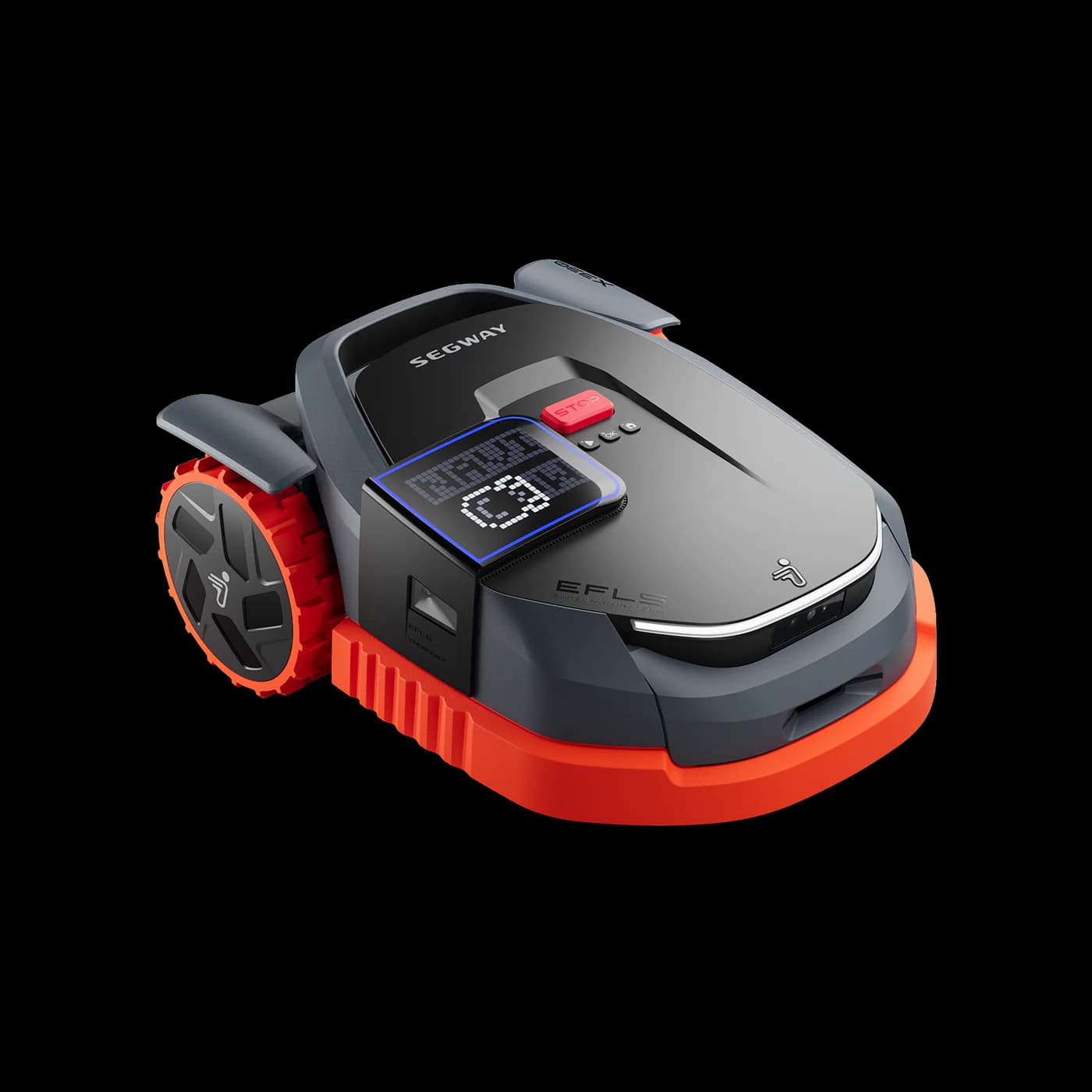
#1 — Navimow X430
Best OverallThe Navimow X430 covers up to 1.0 acre with independent 4WD, EFLS Network RTK + 360° Vision + VIO navigation, EdgeSense trimming, and 84% slope capability—no antenna required where Network RTK is available.
The Navimow X430 takes the top spot with the strongest overall score across capacity, drivetrain, and object avoidance. Independent 4WD, Network RTK + 360° vision backup, and class-leading per-charge coverage (about 0.41 acre) make it the pick for large, complex yards. Trade-offs: below-average cut quality and a large chassis.
#2 — LiDAX Ultra 3000 AWD
Best NavigationThe MOVA LiDAX Ultra 3000 AWD covers up to 0.75 acres with UltraView 3.0 360° 3D LiDAR + AI dual vision—no wires, no RTK. UltraDrive AWD for 80% slopes, UltraTrim 2.0 edge cutting, dual 15.8 in discs, and up to 150 zones.
MOVA's LiDAX Ultra 3000 AWD matches the X430 on price while leading on LiDAR navigation. UltraView 3.0 (360° 3D LiDAR + AI dual vision) needs no wires or RTK base, UltraDrive AWD climbs 80% slopes, and UltraTrim 2.0 keeps edges tight. A strong #2 when antenna-free LiDAR matters more than raw capacity.
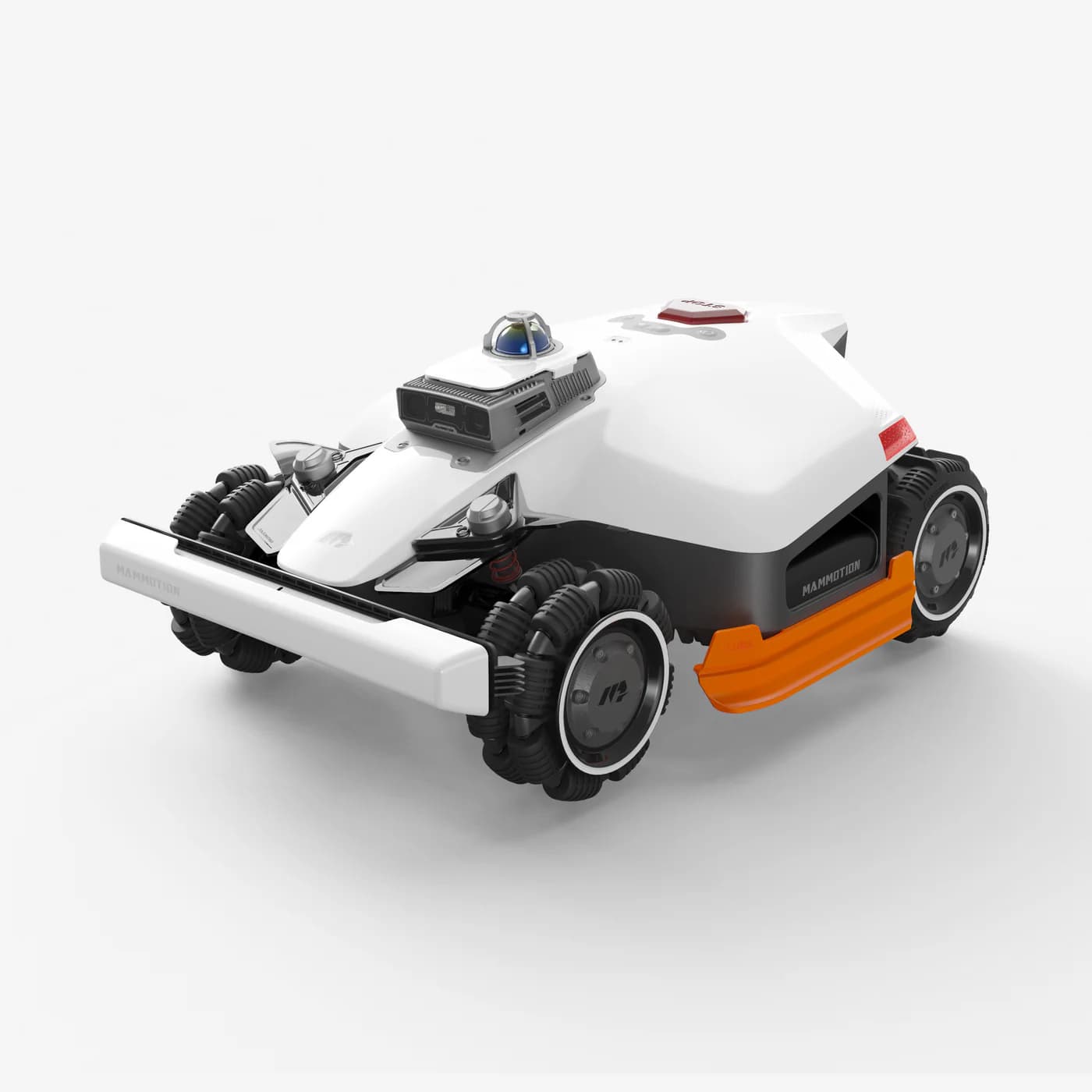
#3 — LUBA 3 AWD 3000
The LUBA 3 AWD 3000 is a robotic mower that is perfect for small yards.
The LUBA 3 AWD 3000 stays in the top tier with balanced scores across range, navigation, drivetrain, and object avoidance. AWD traction, RTK mapping, and solid mid-yard coverage keep it a reliable all-rounder just behind the LiDAR flagships.
#4 — RockMow X1 LiDAR
The Roborock RockMow X1 LiDAR covers up to 0.5 acres/day with Sentisphere 360° 3D LiDAR + VSLAM navigation, AWD for 80% slopes, Active Steering zero-turn, and optional PreciEdge 1.2 in edge module.
Roborock's RockMow X1 LiDAR punches above its price with top-tier navigation and drivetrain scores. Sentisphere 360° LiDAR + VSLAM, AWD for 80% slopes, and Active Steering zero-turn make it a serious contender—edge performance is the main weak spot without the optional PreciEdge module.
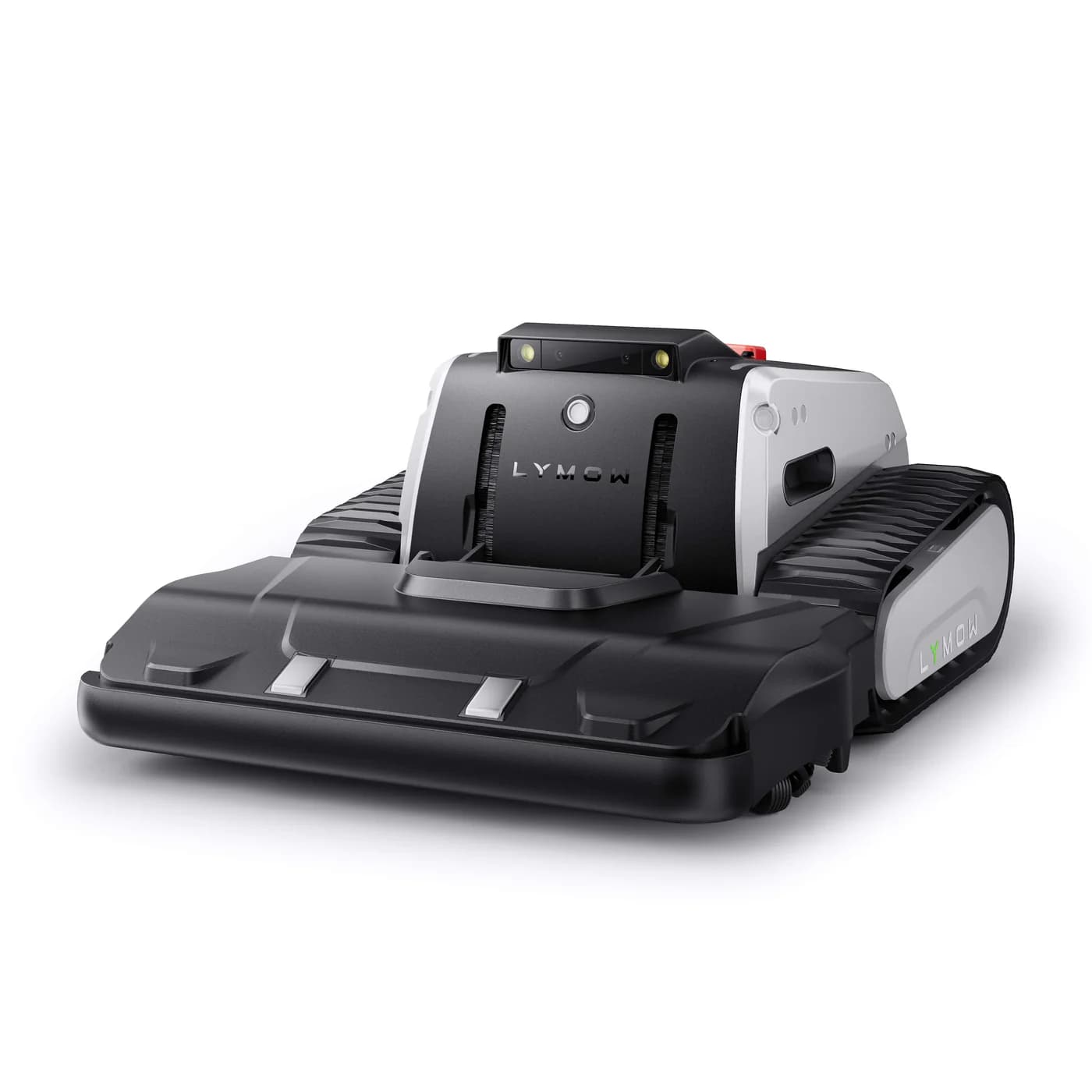
The Lymow One Plus leads the board on cut quality and mulching, with tracked drive that handles extreme slopes (100% grade). It scores lower on navigation and object avoidance than the LiDAR leaders, but if finish quality or steep hills are the priority, this is the pick.
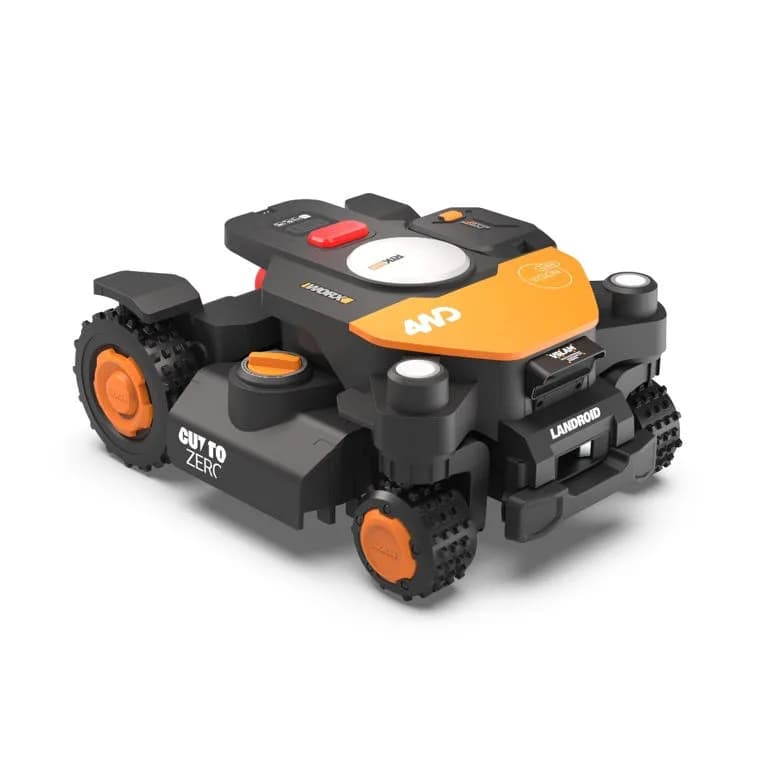
#6 — Landroid Vision Cloud 4WD 1/2 Acre
Wire-free AWD mower for lawns up to 1/2 acre, with RTK Cloud, stereo Vision AI, V-SLAM, RadioLink coverage, an articulated chassis, front-wheel steering, and 84% slope capability.
The Landroid Vision Cloud 4WD brings an articulated chassis, front-wheel steering, RTK Cloud positioning, and strong drivetrain and edge scores. Range is the limiter—best suited to medium yards that need serious terrain capability.
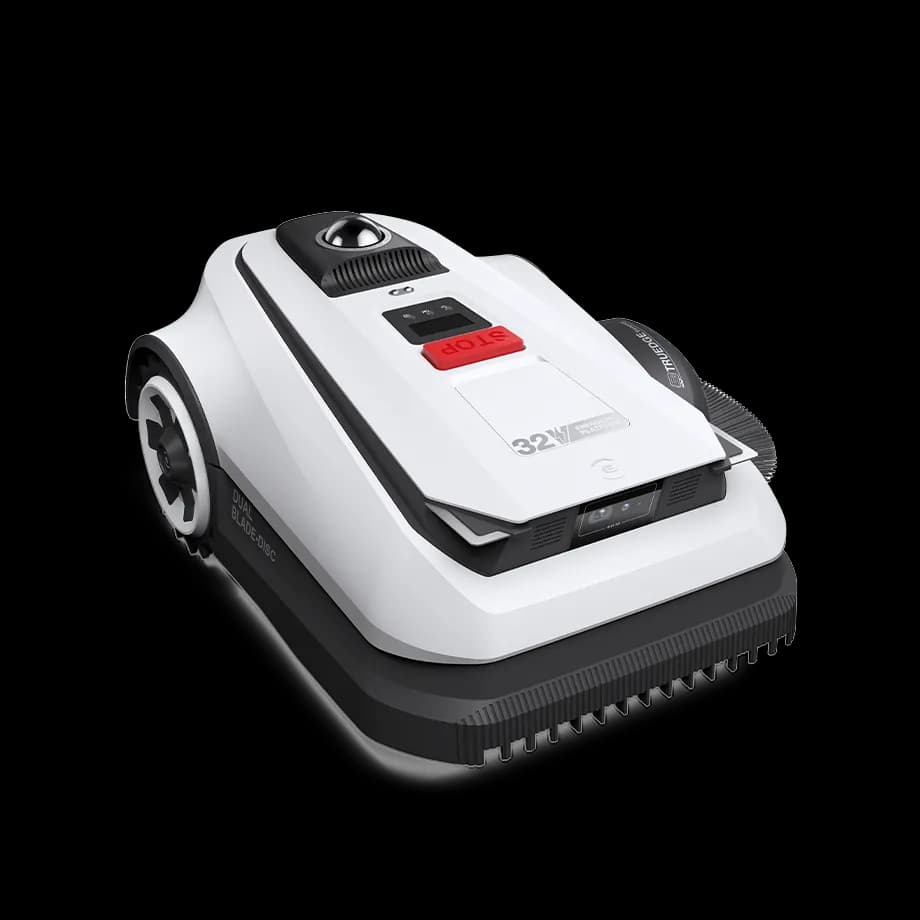
#7 — GOAT A3000 LiDAR PRO
Robot lawn mower with 360° LiDAR navigation, TrueEdge precision trimming, AIVI 3D obstacle avoidance, and 50% slope climbing for medium to large lawns.
Ecovacs GOAT A3000 LiDAR PRO ties for high edge and navigation marks with HoloScope 360° dual-LiDAR and TrueEdge trimming. Drivetrain and object-avoidance scores trail the AWD leaders, but edge finish is among the best we track.
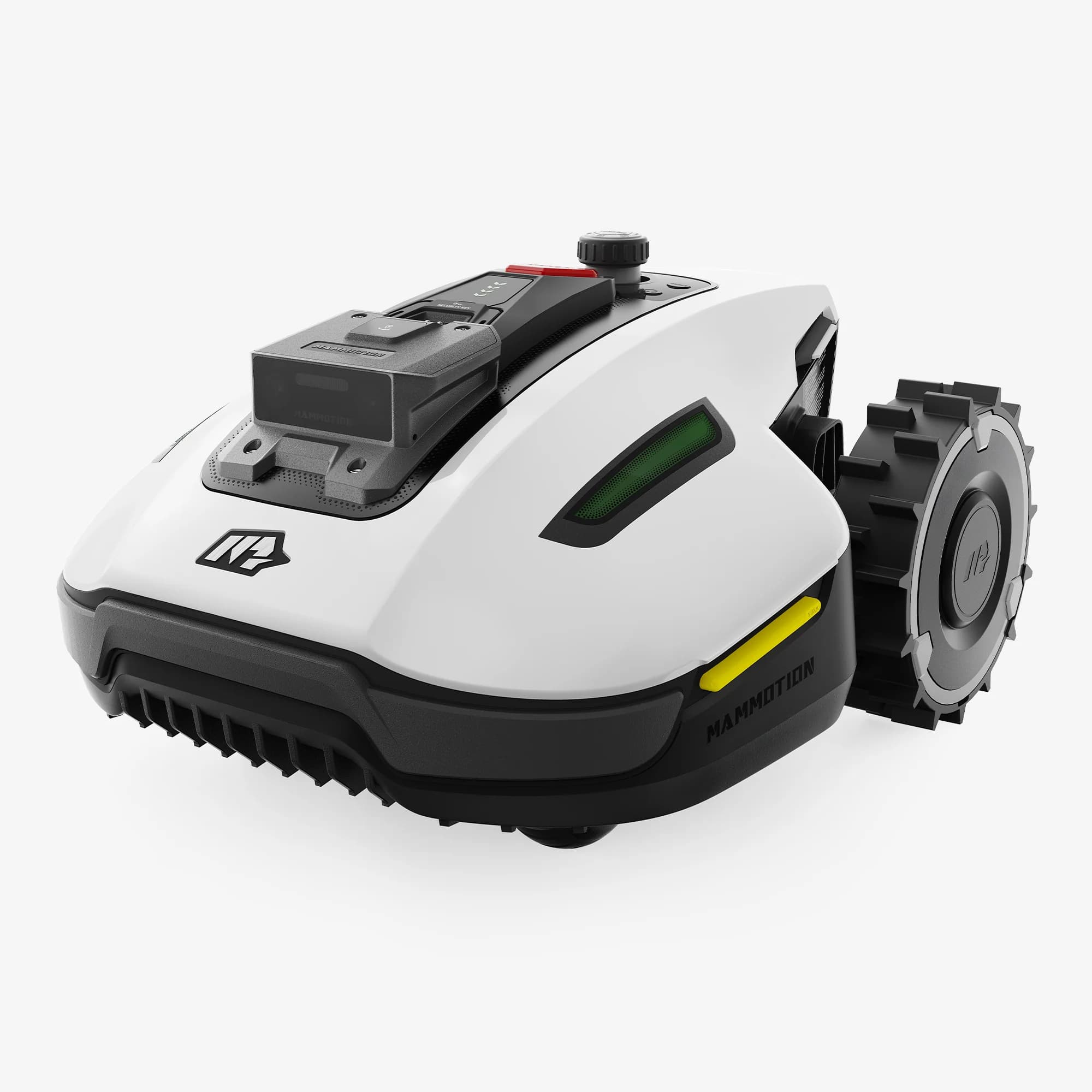
#8 — YUKA mini 2 1000
Best ValueThe YUKA mini 2 1000 is a robotic mower that is perfect for small yards.
The YUKA mini 2 1000 LiDAR is the value standout—strong navigation and object avoidance at a much lower price than the flagships. Range and cut quality are modest, but for smaller yards it delivers premium sensing without the premium bill.
#9 — Yarbo Y Series Pro
The Yarbo Y Series Lawn Mower Pro is a tracked modular yard robot for properties up to 6 acres, with dual 300W cutting motors (2500W peak), NetRTK navigation, 70% slope capability, and a 20 in cutting deck.
Yarbo's Y Series Pro is a tracked modular platform for multi-acre properties, with serious cutting power and terrain capability. Navigation and object-avoidance scores are lower than the residential LiDAR pack, and the price puts it in a different league.
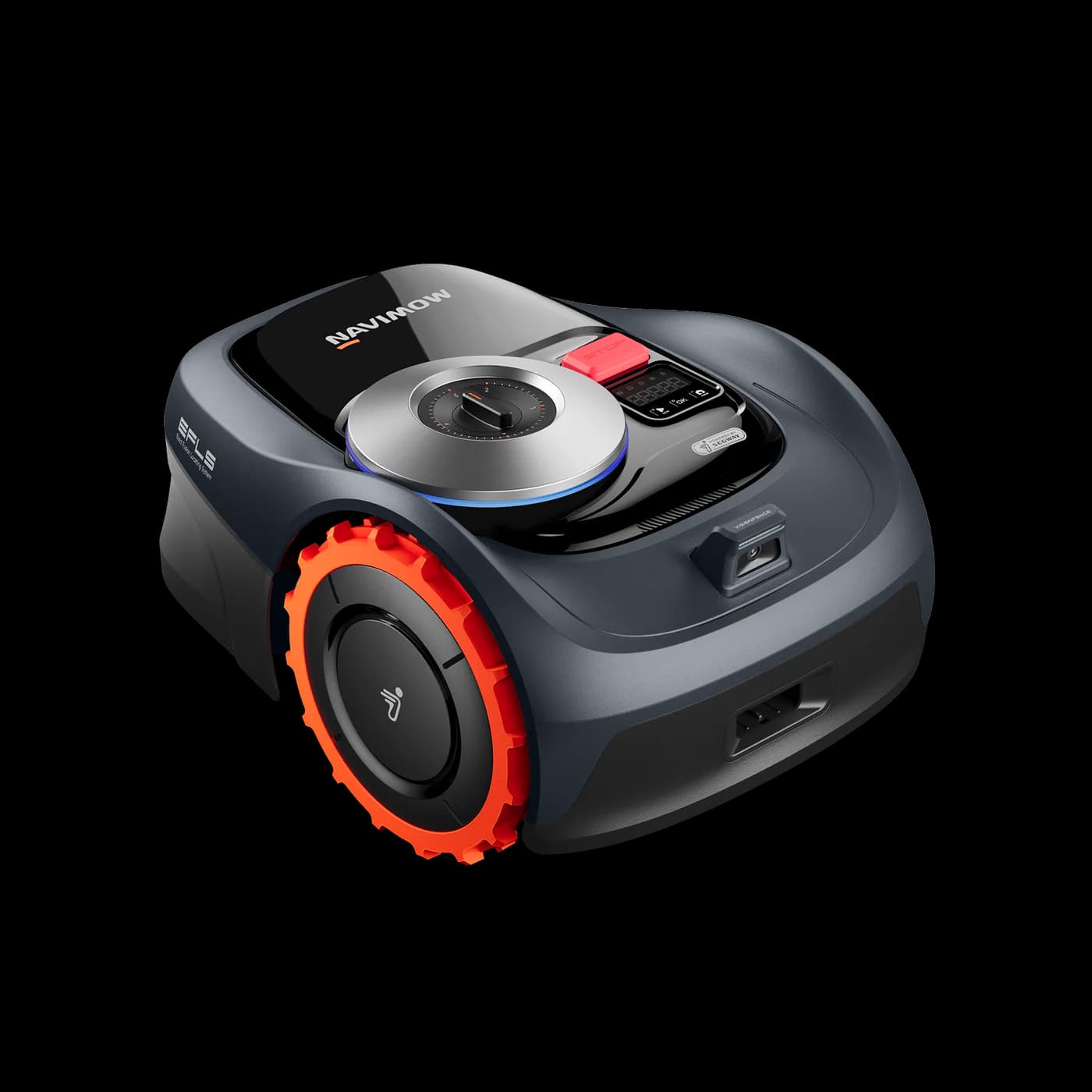
#10 — Navimow i215 LiDAR
The Navimow i215 LiDAR covers up to 0.37 acres with LiDAR + Vision dual navigation (no RTK antenna), AI VisionFence obstacle avoidance, and off-road wheels for 45% slopes.
The Navimow i215 LiDAR brings Segway's LiDAR + Vision dual system to smaller yards at a mid-range price. Solid navigation for the money, but drivetrain and edge scores keep it out of the top half.
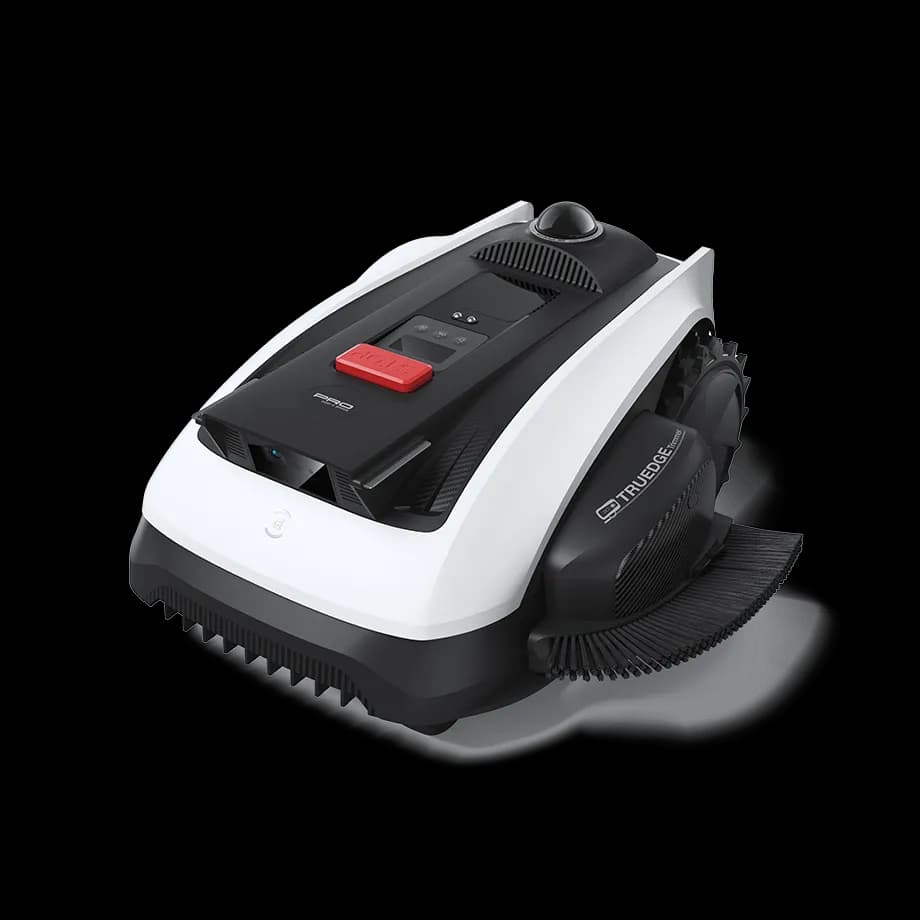
#11 — GOAT O1000 LiDAR PRO
Robot lawn mower with TruEdge trimming, HoloScope 360 dual-LiDAR navigation, AIVI 3D obstacle avoidance, and 45% slope climbing for small to medium lawns.
The GOAT O1000 LiDAR PRO shares the A3000's excellent edge cutting in a smaller package. Best for compact lawns where TruEdge finish matters more than coverage or AWD traction.
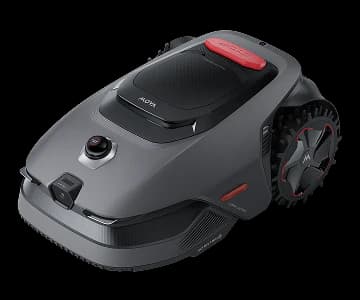
#12 — LiDAX Ultra 1000
Best BudgetThe MOVA LiDAX Ultra 1000 covers up to 0.25 acres with UltraView 2.0 360° 3D LiDAR + AI vision navigation—no wires, no RTK. UltraTrim 1.0 edge cutting, rear-wheel drive for 45% slopes, and U-shaped path planning.
The LiDAX Ultra 1000 is the most affordable way onto MOVA's UltraView LiDAR platform. Navigation is strong for the price; range, drivetrain, and edge scores reflect the entry-level positioning.

#13 — AIRSEEKERS TRON
RTK+Vision robotic mower with 300° AI camera navigation, FlowCut mulching technology, swappable battery, and omni-wheel chassis for slopes up to 65%.
AirSeekers TRON closes the list with FlowCut mulching and a unique omni-wheel chassis. Cut quality is a relative bright spot, but navigation, drivetrain, and object avoidance trail the 2026 field.
Compare any of these mowers side-by-side →
Why You Can Trust Yard Trails Robot Mower Rankings
Independent & Self-Funded
Yard Trails purchases every robotic mower at full retail price and does not accept free samples, loaner units, or paid features. Brands see our conclusions only after they're published, giving them zero input on what we track, how we evaluate, or what we write.
One Framework for Every Mower
Each model goes through the same evaluation — cutting area, slope handling, runtime, charge time, navigation type, boundary setup, obstacle avoidance, connectivity, and app features. Because the methodology never changes, the ranking you see reflects genuine capability, not shifting benchmarks.
Data Kept Current
Robotic mower prices and firmware updates change fast. We track major software revisions, new model releases, and price changes, updating rankings on a regular schedule. Each entry shows a clear "last updated" date so you know when its information was verified.
Clear Revenue Policy
Yard Trails is funded through affiliate links. We do not accept payments, free products, or sponsorships from brands. Our rankings are based solely on independent evaluation and spec analysis.
How to Select the Best Robot Mower
With 45+ mowers tracked across 11 brands, we've found that a few key factors separate the great ones from the rest. Here's what to focus on when narrowing down your options.
Yard Size and Coverage
The single most important spec is how much area the mower can handle. Manufacturers rate coverage in acres, but real-world performance depends on yard complexity — obstacles, narrow passages, and irregular shapes all reduce effective coverage. We recommend choosing a mower rated for at least 20% more area than your actual yard to account for real conditions.
Slope and Terrain Capability
Slope ratings vary enormously — from 30% (basic flat-yard models) to 100% (tracked-tread machines that climb 45° grades). If your yard has any significant grade, this is the spec to prioritize. AWD and tracked-drive models consistently outperform 2WD on slopes, especially in wet conditions. Don't trust marketing claims alone — check the drive type.
Navigation Technology
Modern robotic mowers use RTK GPS, LiDAR, Vision AI, or combinations of these for navigation. RTK-based systems require a base station but deliver centimeter-accurate positioning. LiDAR and Vision systems don't need external hardware but may trade some precision. Wire-based systems (like Greenworks Optimow) are simpler but require physical boundary installation.
Boundary Setup
How you define the mowing area matters for day-to-day usability. Virtual boundaries (set via app using RTK or vision mapping) are the most convenient — just walk the perimeter with the mower and you're done. Physical wire boundaries require installation but are extremely reliable. Some mowers support both, giving you flexibility.
Battery and Runtime
Battery capacity determines how much area the mower covers per charge. For larger yards, look for models with recharge-and-resume — the mower returns to dock, charges, then picks up where it left off. LiFePO₄ batteries (like the Lymow One) offer longer cycle life than standard lithium-ion.
App and Smart Features
Nearly every modern mower connects to a companion app, but quality varies. The best apps offer reliable mapping, zone management, scheduling, no-go zones, and OTA firmware updates. 4G connectivity lets you monitor the mower remotely; Wi-Fi-only models require you to be on your home network.
Browse by Category
Jump to our tested picks for each type of robotic mower, or compare any models head-to-head using our comparison tool.
By Yard Size
- Best for Small Yards (under 0.25 acres)
- Best for Medium Yards (0.25–0.75 acres)
- Best for Large Yards (0.75+ acres)
By Feature